A normal day can change within seconds when a fire breaks out. What begins as a small spark can quickly turn into a situation that threatens lives, disrupts operations and causes irreversible damage. In many cases, the biggest challenge is not the fire itself, but the lack of preparedness.
This is exactly why National Fire Service Week holds such importance in India. Observed every year from April 14 to April 20, this week is dedicated to spreading awareness about fire prevention, safety practices and emergency response.
The origin of this observance goes back to the Bombay Dock explosion of 1944, where many firefighters lost their lives while controlling a massive fire. Their sacrifice serves as a constant reminder of the risks involved and the importance of preparedness.
Today, with growing infrastructure, complex systems and increasing population density, fire safety has become more important than ever. National Fire Service Week is not just about awareness. It is about building habits that prevent disasters before they happen.
National Fire Service Week 2026 Theme
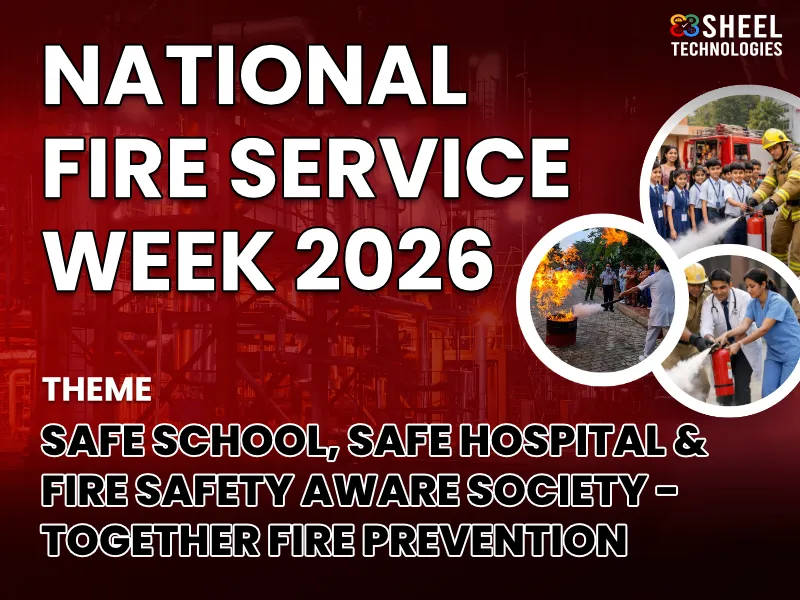
The theme for National Fire Service Week 2026 is:
“Safe School, Safe Hospital & Fire Safety Aware Society – Together Fire Prevention”
This theme reflects a practical and focused approach to fire safety. It highlights three critical areas where safety must be strengthened to protect lives and ensure continuity.
Understanding the Theme in Depth
The theme emphasizes that fire safety should not be limited to industrial or high-risk zones. It must be integrated into everyday environments where people feel safe.
- Safe School: Schools must ensure that students, teachers and staff are protected through proper systems, training and preparedness. A safe school environment reduces panic and ensures quick evacuation during emergencies.
- Safe Hospital: Hospitals operate in high-risk conditions where patients depend on continuous care. Fire safety here is not only about prevention but also about ensuring that life-saving services continue without disruption.
- Fire Safety Aware Society: A society that understands fire risks and follows safe practices can prevent many incidents before they occur. Awareness transforms individuals into active participants in safety.
This theme shifts the focus from reacting to fire incidents to preventing them through awareness and preparedness.
Why National Fire Service Week Matters Today
Fire incidents are not rare events anymore. They occur in schools, hospitals, offices and residential buildings. Many of these incidents are caused by preventable factors such as negligence, poor maintenance or lack of awareness.
During National Fire Service Week organizations and institutions are encouraged to review their preparedness and strengthen their systems.
- Reviewing fire safety systems: This involves checking alarms, extinguishers and other equipment to ensure they are functional. Regular checks help identify faults before they become serious risks.
- Conducting fire drills: Drills prepare people to respond calmly during emergencies. When individuals know evacuation routes and procedures, confusion and panic are reduced.
- Identifying potential hazards: Proactive identification of risks such as faulty wiring or blocked exits helps prevent incidents before they occur.
This week acts as a reminder that fire safety is not optional. It is an ongoing responsibility.

Safe School: Strengthening Fire Safety in Educational Institutions
Imagine a school during peak hours. Classrooms are full, corridors are active and hundreds of students are engaged in learning. In such an environment, even a small fire can escalate quickly if proper systems are not in place.
Common Fire Hazards in Schools
- Faulty electrical wiring: Poorly maintained or outdated wiring can lead to short circuits. Over time, insulation may wear out, exposing wires and increasing the chances of sparks that can ignite nearby materials.
- Overloaded circuits: Classrooms often use multiple electrical devices such as fans, projectors and computers. When these are connected to a single circuit, it can cause overheating, which significantly increases fire risk.
- Laboratory chemicals: Science laboratories store flammable substances. Improper storage or accidental mixing of chemicals can lead to sudden fires if safety guidelines are not strictly followed.
- Blocked emergency exits: Sometimes furniture or storage items are placed near exits. During an emergency, this can delay evacuation and increase the risk of injury.
Each of these hazards may seem manageable individually, but together they create a high-risk environment.
Fire Safety Measures for Schools
To align with the theme of National Fire Service Week 2026, schools must adopt proactive safety measures.
- Installation of fire detection systems: Smoke detectors and fire alarms play a crucial role in early detection. They provide an immediate alert, giving students and staff enough time to evacuate safely.
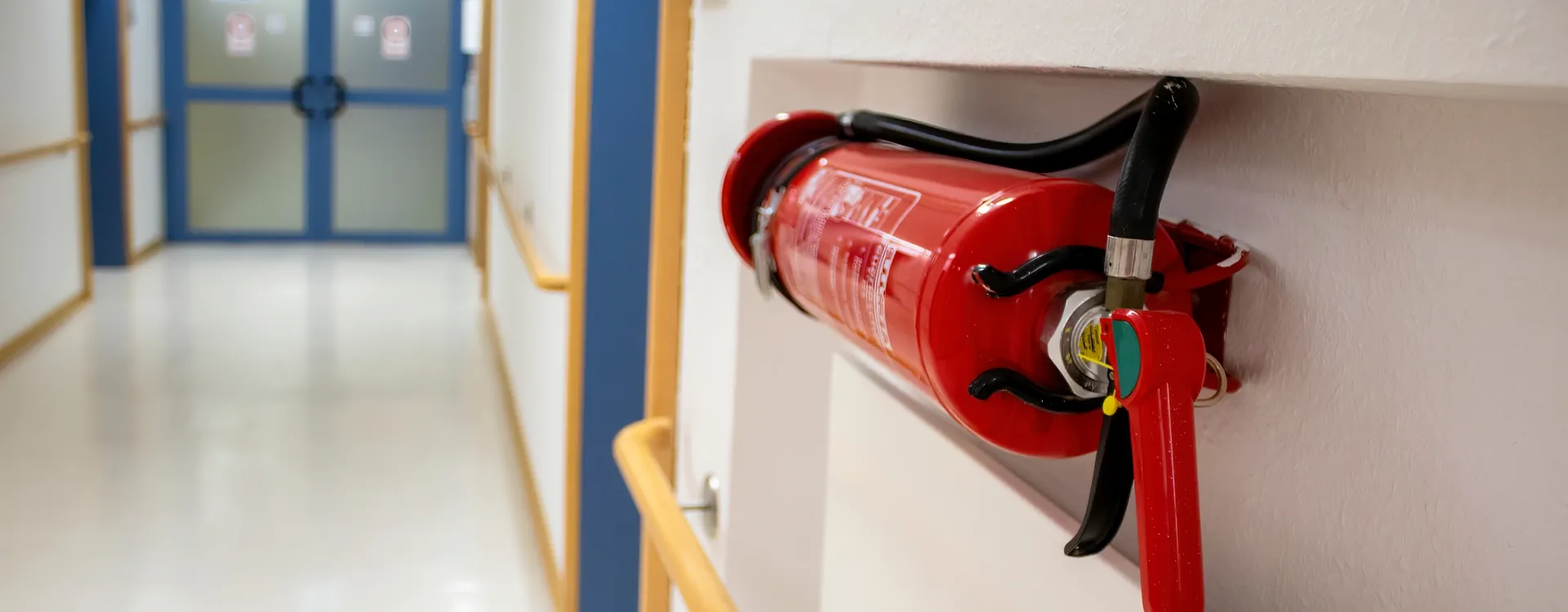
- Availability of fire extinguishers: Fire extinguishers should be placed in accessible locations and regularly inspected. It is equally important that staff know how to use them effectively during emergencies.
- Clear evacuation routes: Emergency exits must be clearly marked and free from obstructions. Well-defined escape routes help ensure quick and safe evacuation.
- Regular maintenance checks: Electrical systems and equipment should be inspected periodically. Preventive maintenance reduces the chances of unexpected failures.
Emergency Preparedness in Schools
Preparedness is as important as prevention.
- Fire drills: Regular drills help students and staff practice evacuation procedures. This reduces panic and improves response time during real incidents.
- Training programs: Teachers and staff should be trained in basic fire safety and emergency response. Their actions can significantly influence the outcome during an emergency.
- Emergency planning: A well-structured evacuation plan ensures that everyone knows their role and responsibilities during a fire incident.
During National Fire Service Week, schools can use this opportunity to strengthen these practices and create a safer environment.
Safe Hospital: Managing Fire Risks in Critical Environments
Hospitals present a unique challenge when it comes to fire safety. Unlike other environments, evacuation is not always straightforward.
Why Hospitals Are High-Risk Areas
- Oxygen-rich environment: Oxygen supports combustion, which means even a small fire can spread rapidly in hospital settings where oxygen is widely used.
- Continuous electrical usage: Medical equipment operates around the clock. This increases the risk of overheating, short circuits and electrical failures.
- Limited mobility of patients: Many patients cannot move on their own. Evacuation requires careful planning and coordination, which makes response more complex.
Essential Fire Safety Systems in Hospitals
- Advanced fire detection systems: These systems are designed to detect smoke or heat at an early stage. Quick detection allows immediate action and reduces the spread of fire.
- Automatic sprinkler systems: Sprinklers activate automatically when a fire is detected. They help control flames and prevent the fire from spreading across critical areas.
- Fire-resistant infrastructure: Using fire-resistant materials in construction can slow down the spread of fire, providing more time for evacuation and response.
- Emergency power backup: Backup systems ensure that essential medical equipment continues to function even during a fire emergency.
Lessons from Past Incidents
- Delayed response: In many cases, fire incidents worsen because of delayed action. Immediate response is critical to control damage.
- Inadequate training: Staff who are not trained in fire safety may struggle to respond effectively during emergencies.
- Poor maintenance: Fire safety systems that are not regularly maintained may fail when they are needed the most.
National Fire Service Week encourages healthcare facilities to learn from these incidents and improve their preparedness.

Fire Safety Aware Society: The Third Pillar
The third pillar of the 2026 theme focuses on society. Fire safety is not limited to institutions. It starts at the individual level.
Why Awareness Matters
Many fire incidents are caused by simple mistakes such as leaving electrical appliances unattended or ignoring safety practices. Awareness helps people recognize these risks and act responsibly.
Building Awareness in Communities
- Public awareness campaigns: Campaigns help educate people about fire risks and prevention methods. They create a sense of responsibility within communities.
- Workshops and demonstrations: Practical demonstrations teach people how to use fire extinguishers and respond during emergencies.
- Educational programs: Teaching children about fire safety creates long-term awareness and responsible behavior.
Role of Individuals
- Checking electrical systems: Regular checks can help identify faults before they become dangerous.
- Avoiding unsafe practices: Simple habits such as not overloading circuits can prevent many fire incidents.
- Being prepared: Knowing emergency numbers and procedures can make a significant difference during critical situations.
When individuals become aware, society becomes safer.
Fire Safety Training Videos
Key Fire Prevention Strategies for 2026
Technology-Driven Safety
- Smart detection systems: These systems continuously monitor environments and provide real-time alerts. Early warnings allow faster response and reduce damage.
- Automated alarms: Automated systems eliminate delays in alerting people, ensuring immediate action during fire incidents.
- Monitoring systems: Continuous monitoring helps identify risks before they turn into serious problems.
Regular Inspections and Audits
- Safety audits: Audits help identify hidden hazards that may not be visible during daily operations. This ensures continuous improvement in safety.
- Equipment checks: Regular inspection of fire extinguishers, alarms and sprinklers ensures they function properly when needed.
- Compliance reviews: Following safety standards and regulations ensures that systems meet required guidelines.
Creating a Safety Culture
- Encouraging responsibility: When people take ownership of safety, risks are reduced significantly.
- Promoting awareness: Continuous awareness ensures that safety remains a priority.
- Making safety a habit: Regular practices and training make safety a part of daily routines.
How Organizations Can Participate in National Fire Service Week

Activities That Can Be Conducted
- Fire drills: These drills help people understand evacuation procedures and improve response time during emergencies.
- Awareness campaigns: Campaigns educate employees and communities about fire risks and prevention methods.
- Safety workshops: Workshops provide hands-on training, helping participants understand how to respond effectively during fire incidents.
Promoting Awareness
Organizations can:
- Share safety guidelines
- Encourage participation
- Use communication channels to spread awareness
These efforts contribute to building a fire safety aware society.
Conclusion
Fire safety is not just about equipment or regulations. It is about awareness, preparedness and responsibility.
National Fire Service Week 2026 highlights the need to focus on schools, hospitals and society. It reminds us that prevention is always better than response.
When awareness becomes action and safety becomes a habit, the risk of fire incidents can be significantly reduced.