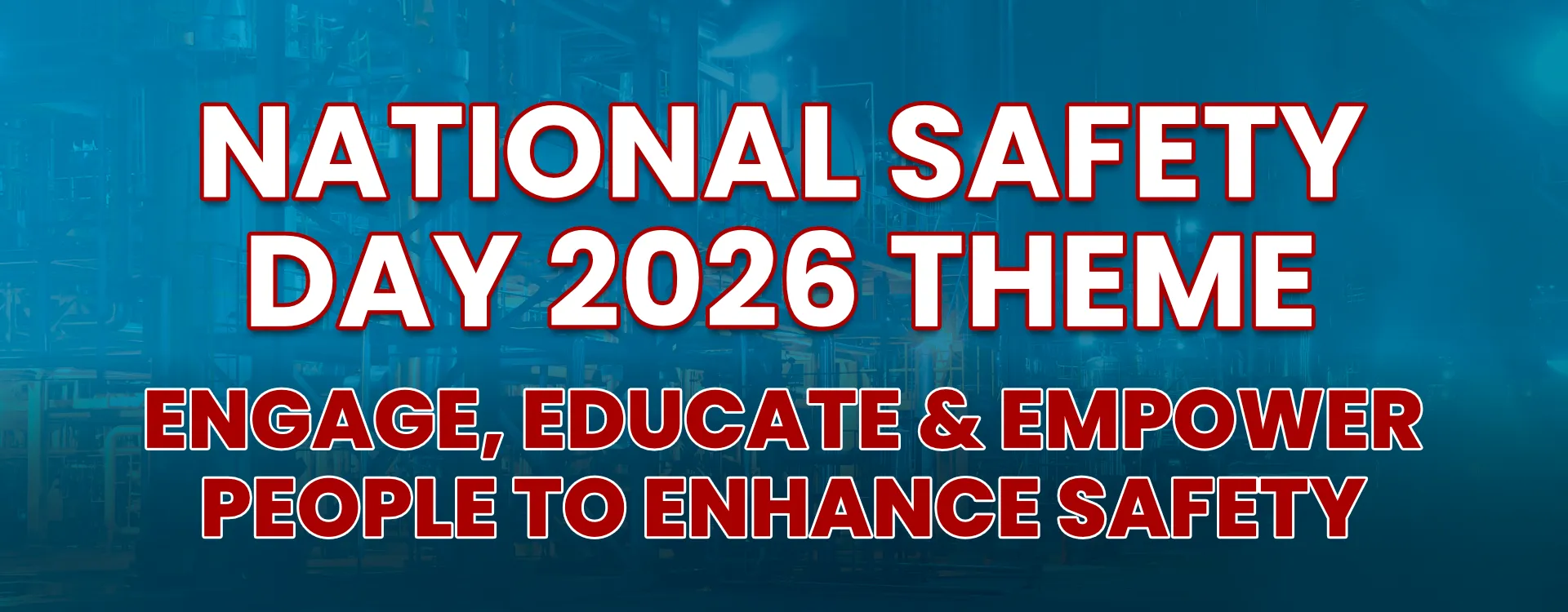
Workplace safety has evolved with modern systems, structured procedures and regulatory compliance. Yet incidents continue to occur across manufacturing plants, construction projects, warehouses and industrial operations. This reality clearly shows that systems alone cannot guarantee safe outcomes. Human decisions, workplace culture and leadership behavior ultimately determine whether risks are controlled or ignored. The National Safety Day 2026 Theme, “Engage, Educate & Empower People to Enhance Safety,” directly addresses this gap between safety systems and safety behavior.
National Safety Day is observed under the guidance of National Safety Council of India to promote occupational health, industrial safety and environmental protection. Over the years, it has helped industries strengthen compliance and awareness. However, the National Safety Day 2026 Theme goes further by focusing on cultural transformation rather than procedural enforcement.
Why the National Safety Day 2026 Theme Is Critical Today?

Despite written policies and audits, incident investigations often reveal common patterns. These patterns indicate that behavioral and organizational gaps still exist. Some of the most frequent findings include:
- Hazards were identified but not reported due to fear or hesitation.
- Workers followed procedures without understanding the associated risks.
- Supervisors allowed shortcuts under production pressure.
- Employees noticed unsafe conditions but felt unsupported to intervene.
These recurring issues highlight a central problem. Safety systems may exist on paper, but safety ownership may be missing on the ground. The National Safety Day 2026 Theme focuses on closing this gap by strengthening engagement, education and empowerment.
Engage: Creating Active Participation in Workplace Safety

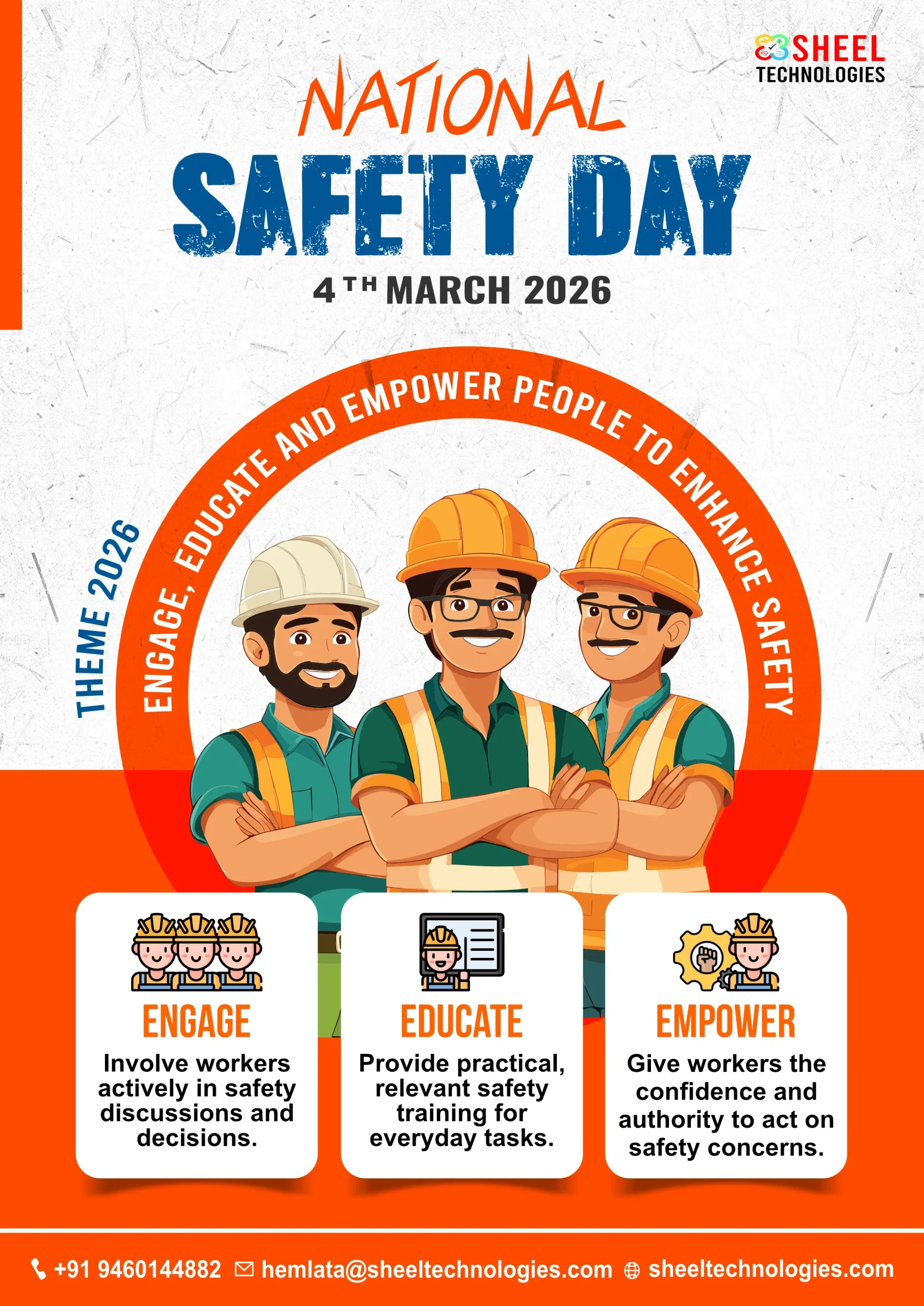
Engagement means involving employees at every level in safety discussions and risk management. When people are invited to contribute, they begin to take responsibility. Frontline workers often understand operational risks better than anyone else. Their input makes safety controls more realistic and practical.
Strong engagement typically leads to:
- Better hazard identification because workers share real site challenges.
- Increased near miss reporting since employees feel safe to speak up.
- Improved communication between management and the workforce.
- Greater ownership of safety outcomes at the shop floor level.
Organizations can strengthen engagement by including workers in risk assessments, conducting interactive toolbox talks and encouraging open feedback channels. When engagement improves, safety becomes a shared responsibility rather than a management instruction.
Educate: Building Deep Risk Awareness and Understanding

Education goes beyond formal training sessions. True safety education ensures that employees understand what can go wrong, why it can go wrong and what consequences may follow. When the purpose behind safety rules is clearly explained, compliance becomes natural.
Effective safety education under the National Safety Day 2026 Theme includes:
- Job specific training that addresses real operational hazards.
- Practical demonstrations that show how accidents can occur.
- Case study discussions of past incidents to reinforce learning.
- Regular refresher programs to prevent complacency.
When education is meaningful, risk perception improves. Employees make informed decisions even under pressure. Human error is reduced because workers understand not only the rule, but also the reason behind the rule.
Empower: Enabling Confident and Responsible Safety Action

Even engaged and educated employees may hesitate if they do not feel supported. Empowerment ensures that individuals have both the authority and confidence to act when unsafe conditions are observed. Many serious accidents occur because someone noticed a hazard but remained silent due to fear of blame or production delay.
Real empowerment can be recognized when:
- Employees have Stop Work Authority and management supports its use.
- Reported hazards receive prompt attention and corrective action.
- Safe behavior is publicly acknowledged and appreciated.
- Safety performance is valued equally with productivity.
When empowerment is embedded in culture, proactive intervention increases. Small risks are corrected early, preventing escalation into major incidents. The National Safety Day 2026 Theme highlights empowerment because action is the final step in accident prevention.
National Safety Day: 2026 Video
National Safety Day: Previous Videos
How Engagement, Education and Empowerment Work Together

The strength of the National Safety Day 2026 Theme lies in integration. Each pillar supports the others and creates a balanced safety framework.
- Engagement helps identify workplace risks.
- Education builds understanding of those risks and their controls.
- Empowerment ensures timely action to manage or eliminate hazards.
If any one of these elements is missing, safety performance weakens. A balanced implementation creates a resilient safety culture that adapts to operational challenges and changing environments.
Business Impact of Implementing the National Safety Day 2026 Theme

Organizations that adopt a people centered safety approach often experience measurable improvements. These improvements include:
- Reduction in workplace injuries and incidents.
- Lower downtime and operational disruptions.
- Improved employee morale and trust.
- Stronger compliance and regulatory performance.
- Enhanced corporate reputation and sustainability.
The National Safety Day 2026 Theme provides a practical roadmap for industries that aim to achieve long term safety excellence.
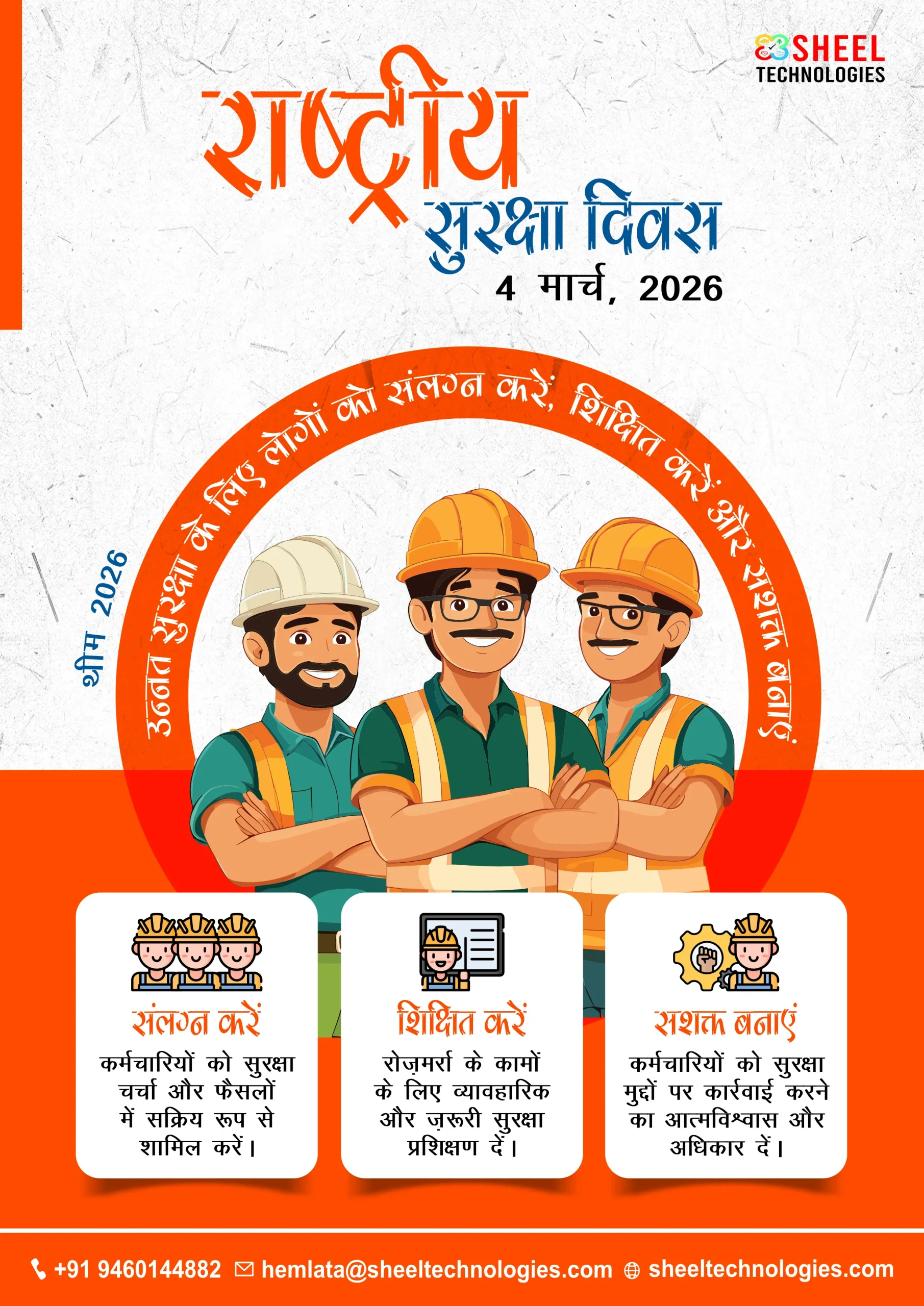
National Safety Day: Posters





Conclusion
The National Safety Day 2026 Theme delivers a clear and strategic message. Safety excellence is not achieved by rules alone. It is achieved when people are actively engaged, properly educated and fully empowered to act. By placing people at the center of safety systems, industries can transform compliance into commitment and build workplaces where safety is practiced consistently and confidently every day.