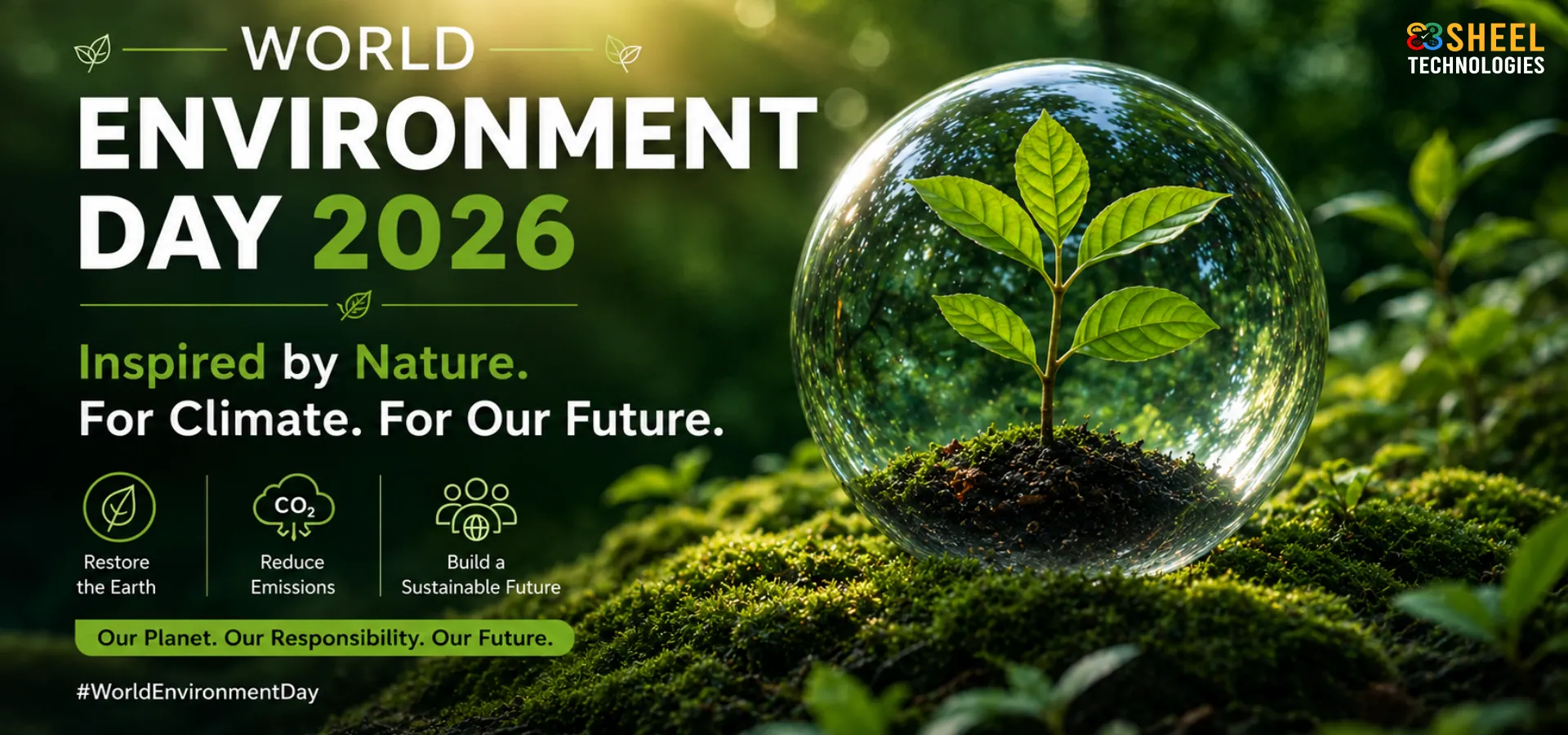
World Environment Day 2026 Theme: Inspired by Nature for Climate and Future
Every year on 5 June, people around the world celebrate World Environment Day to spread awareness about environmental protection and sustainable living. It is one of the largest global environmental campaigns organized under the leadership of the United Nations Environment Programme. Governments, industries, educational institutions, environmental organizations and individuals participate in different environmental activities and awareness programs.
World Environment Day 2026 is expected to become more important than ever because the world is currently facing serious environmental challenges such as climate change, pollution, biodiversity loss, deforestation and rising global temperatures. Environmental experts believe that immediate climate action is necessary to protect the planet and secure a sustainable future for the next generation.
The official host country for World Environment Day 2026 is Azerbaijan. The theme for the campaign is:
“Inspired by Nature. For Climate. For Our Future.”
This theme highlights the importance of nature-based solutions in fighting climate change and protecting environmental sustainability. It encourages governments, industries and individuals to learn from nature and adopt sustainable environmental practices.
For EHS professionals, safety officers, environmental engineers and industrial organizations, this campaign carries an important message. Environmental protection has become a major part of workplace safety, sustainability and regulatory compliance.
What Is World Environment Day?
World Environment Day is an international environmental awareness event celebrated every year on 5 June. It was established by the United Nations in 1972 during the Stockholm Conference on the Human Environment. The purpose of this global campaign is to encourage environmental awareness and motivate people to take action for protecting nature and reducing environmental damage.
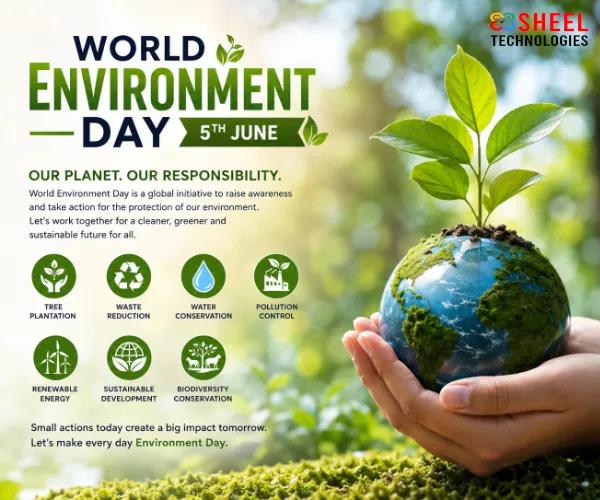
Today, World Environment Day is celebrated in more than 150 countries worldwide. Every year, a different environmental theme is selected to focus on major environmental concerns affecting the planet. The campaign encourages practical environmental actions such as:
- Tree plantation
- Waste reduction
- Water conservation
- Pollution control
- Renewable energy adoption
- Sustainable development
- Biodiversity conservation
Many schools, colleges, industries and organizations organize environmental awareness programs and sustainability activities during this occasion.
World Environment Day 2026 Theme
The World Environment Day 2026 theme is: “Inspired by Nature. For Climate. For Our Future.” This theme explains that nature itself provides many effective solutions for environmental problems and climate change. Forests, oceans, rivers, wetlands and ecosystems naturally help regulate climate conditions and maintain environmental balance.
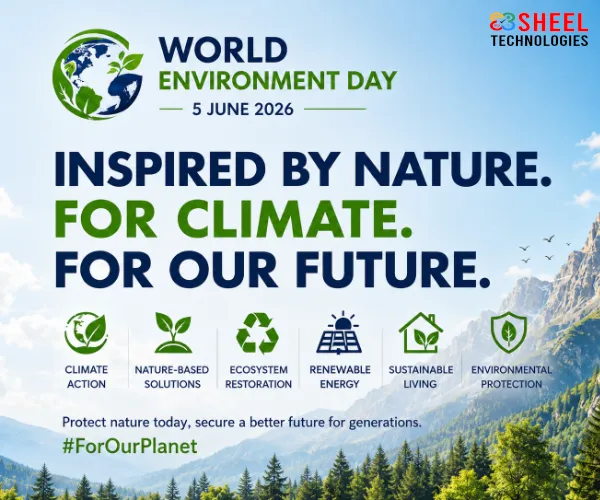
The theme focuses on:
- Climate action
- Nature-based solutions
- Ecosystem restoration
- Renewable energy
- Sustainable living
- Environmental protection
Environmental experts believe that protecting natural ecosystems can significantly reduce climate risks and improve environmental sustainability.
The message behind this campaign is simple. If nature is protected today, future generations will be able to live in a healthier and safer environment.
Why World Environment Day 2026 Is Important?
World Environment Day 2026 is important because environmental challenges are increasing rapidly across the world. Climate change is already affecting millions of people through rising temperatures, extreme weather events, pollution and water shortages.

Many countries are currently facing:
- Floods
- Heatwaves
- Droughts
- Wildfires
- Air pollution
- Water scarcity
- Rising sea levels
- Biodiversity loss
Industrial growth and urbanization have also increased environmental pressure in many regions. Natural resources are being consumed rapidly and pollution levels are increasing in several cities and industrial zones.
Because of these environmental risks, stronger environmental action is required globally. World Environment Day 2026 reminds industries, governments and individuals that environmental protection is a shared responsibility.
World Environment Day 2026 Theme Videos
Climate Change and Environmental Challenges
Climate change has become one of the biggest environmental concerns in modern history. Greenhouse gas emissions from industries, vehicles and fossil fuels are increasing global temperatures every year. Rapid industrialization, deforestation and excessive energy consumption are also contributing to environmental damage across the world.
According to environmental studies, if global warming continues at the current rate, the world may face severe environmental disasters in the future. Scientists and environmental experts have already warned that climate conditions are becoming more unstable every year.
Some major impacts of climate change include:
Rising Global Temperatures
Average global temperatures are increasing rapidly. Heatwaves are becoming more frequent and dangerous in many countries. Rising temperatures are affecting public health, industrial productivity, agriculture and natural ecosystems. In many regions, workers are also facing higher risks of heat stress and dehydration during extreme weather conditions.
Extreme Weather Events
Floods, cyclones, droughts and storms are increasing because of climate instability. Many countries are experiencing heavy rainfall, wildfires and severe environmental disasters that damage infrastructure, industries, agriculture and local communities. These climate-related events are creating economic and environmental challenges worldwide.
Water Shortages
Many regions are experiencing water scarcity due to changing rainfall patterns and excessive groundwater usage. Industrial activities and population growth are also increasing pressure on freshwater resources. Water pollution from industrial waste and plastic contamination is making the situation more serious in several countries.
Biodiversity Loss
Many plant and animal species are becoming endangered because of habitat destruction, pollution and climate change. Forests, wetlands and marine ecosystems are being damaged rapidly, which affects ecological balance and environmental sustainability. Biodiversity conservation has now become an important global environmental priority.
Public Health Risks
Air pollution and contaminated water sources are affecting human health and increasing respiratory diseases. Poor environmental conditions can lead to asthma, lung infections, allergies and other serious health problems. Climate change is also increasing health risks during heatwaves and natural disasters.
World Environment Day 2026 encourages industries, governments and individuals to reduce greenhouse gas emissions, support climate action and adopt cleaner environmental practices for a sustainable future.
Importance of Nature-Based Solutions
Nature-based solutions are one of the major focus areas of World Environment Day 2026. These solutions use natural ecosystems to solve environmental problems while improving biodiversity and climate resilience. Some common examples include:
- Reforestation
- Wetland restoration
- Sustainable agriculture
- Urban green spaces
- Rainwater harvesting
- Coastal ecosystem protection
Forests absorb carbon dioxide from the atmosphere and help reduce global warming. Wetlands naturally reduce flooding and improve water quality. Mangroves help protect coastal areas from storms and soil erosion. Nature-based solutions provide long-term environmental benefits and support sustainable development goals. Industries and environmental organizations are now promoting ecosystem restoration programs to improve environmental sustainability.

Role of Industries in Environmental Protection
Industries play an important role in environmental sustainability. Industrial activities can affect air quality, water resources and ecosystems if environmental controls are not properly managed. Today, environmental compliance has become an essential part of industrial operations. Many organizations are focusing on:
- Pollution control
- Waste management
- Energy conservation
- Carbon emission reduction
- Sustainable manufacturing
- Renewable energy adoption
EHS professionals and safety officers help organizations maintain environmental compliance and reduce environmental risks in workplaces. Environmental audits, waste management systems and sustainability programs are now becoming important parts of industrial safety management. World Environment Day 2026 encourages industries to strengthen environmental awareness and promote sustainable workplace practices.
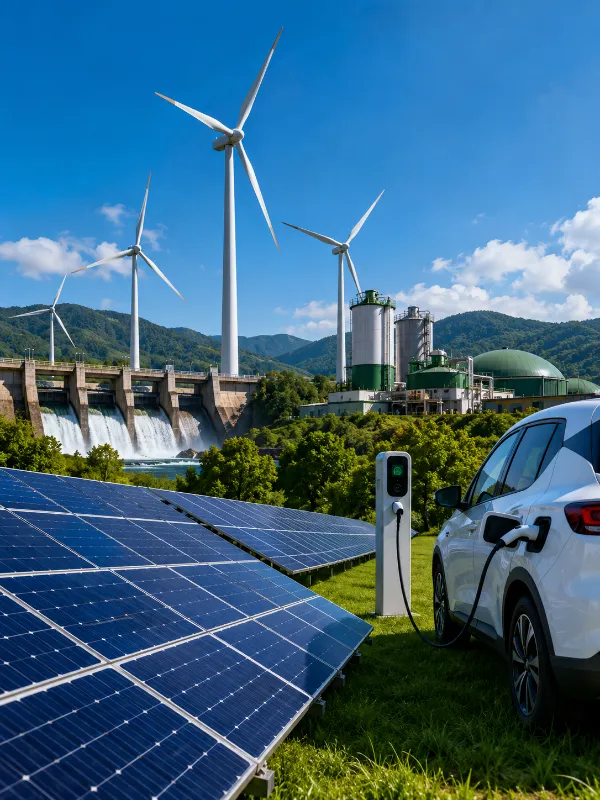
Renewable Energy and Green Technology
Renewable energy is becoming one of the most effective solutions for reducing greenhouse gas emissions and controlling climate change. Traditional fossil fuels such as coal and oil contribute heavily to environmental pollution and global warming. Because of this, many countries are now shifting toward cleaner energy sources. Renewable energy sources include:
- Solar energy
- Wind energy
- Hydropower
- Biomass energy
- Geothermal energy
Renewable energy helps reduce pollution and supports long-term environmental sustainability. Many industries are also investing in:
- Solar panels
- Electric vehicles
- Energy-efficient systems
- Green technologies
- Sustainable infrastructure
Governments across the world are encouraging clean energy projects to reduce dependence on fossil fuels.
Waste Management and Pollution Control
Improper waste disposal is one of the major causes of environmental pollution. Plastic waste, industrial waste, chemical waste and electronic waste can seriously damage ecosystems and public health. World Environment Day 2026 promotes responsible waste management practices such as:
- Recycling
- Waste reduction
- Reuse programs
- Sustainable packaging
- Hazardous waste management
Many organizations are adopting circular economy models where materials are reused instead of discarded. Industries are also investing in pollution control technologies and environmentally friendly production systems to reduce environmental damage. Proper waste management helps conserve natural resources and improve environmental sustainability.
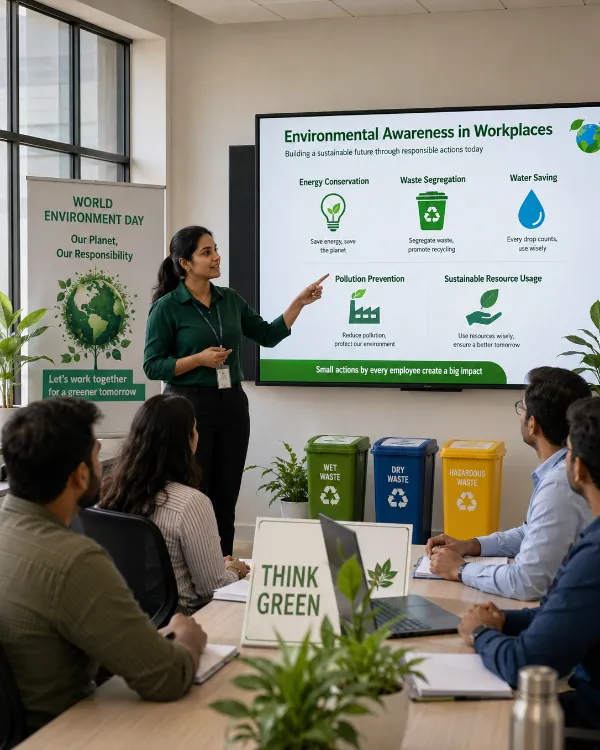
Environmental Awareness in Workplaces
Environmental awareness is becoming an important part of workplace culture. Companies are training employees to follow environmentally responsible practices and sustainability guidelines. Environmental awareness programs help employees understand:
- Energy conservation
- Waste segregation
- Water saving methods
- Pollution prevention
- Sustainable resource usage
Many organizations celebrate World Environment Day through:
- Tree plantation drives
- Safety awareness campaigns
- Environmental seminars
- Cleanliness programs
- Sustainability workshops
These activities help improve environmental responsibility among employees and strengthen workplace sustainability culture. For EHS professionals, environmental awareness is directly connected with workplace safety and compliance management.
Biodiversity Conservation and Ecosystem Protection
Biodiversity plays an important role in maintaining ecological balance and supporting life on Earth. Healthy ecosystems support agriculture, food production, medicine, water quality and climate stability. However, biodiversity is currently under serious threat because of pollution, deforestation, climate change and habitat destruction. World Environment Day 2026 encourages governments and organizations to focus on:
- Wildlife protection
- Forest conservation
- Ecosystem restoration
- Sustainable land management
- Protection of endangered species
Conservation programs help protect natural habitats and improve environmental sustainability for future generations.

Role of Individuals in Environmental Protection
Environmental protection is not only the responsibility of governments and industries. Every individual can contribute to protecting the environment through simple daily actions.
People can help by:
- Planting trees
- Saving electricity
- Conserving water
- Avoiding single-use plastics
- Using public transportation
- Recycling waste
- Supporting renewable energy
- Reducing fuel consumption
Small lifestyle changes can create a positive environmental impact when adopted collectively.
World Environment Day 2026 encourages people to become more environmentally responsible and support climate action in their daily lives.
Azerbaijan as the Host Country for World Environment Day 2026
Azerbaijan will host World Environment Day 2026 under the leadership of the United Nations Environment Programme. The event is expected to bring together:
- Environmental experts
- Scientists
- Government officials
- NGOs
- Climate activists
- Businesses
- Educational institutions
International discussions on climate action, renewable energy, environmental protection and sustainability are expected during the global event. The campaign will also encourage international cooperation for achieving climate and environmental goals.
Future of Environmental Sustainability
The future of humanity depends on environmental sustainability and climate action. Governments, industries and communities must work together to reduce pollution and protect natural ecosystems. Environmental sustainability should focus on:
- Reducing carbon emissions
- Conserving natural resources
- Increasing renewable energy usage
- Promoting sustainable industries
- Protecting biodiversity
- Supporting environmental education
Environmental experts believe that immediate action is necessary to reduce future climate risks and environmental damage. World Environment Day 2026 reminds the world that environmental protection cannot be ignored anymore.
Conclusion
World Environment Day 2026 is more than an environmental celebration. It is a global movement for climate action, sustainability and environmental responsibility. The theme: “Inspired by Nature. For Climate. For Our Future.”
encourages people, industries and governments to learn from nature and adopt sustainable environmental practices. Climate change, pollution, biodiversity loss and environmental degradation are increasing rapidly across the world. Because of this, stronger environmental action is necessary at every level. By protecting forests, reducing pollution, promoting renewable energy, conserving water and supporting sustainable development, humanity can create a cleaner and safer future for the next generation. World Environment Day 2026 reminds everyone that every action matters and environmental protection is a shared responsibility for all.